
Annuities can range from very safe to risky, depending on the type of annuity and the insurer behind it.
 Where the real risks are
Insurer risk. An annuity is a promise from the insurance company. Unlike a bank deposit, it isn’t FDIC-insured. If the insurer fails, you depend on its remaining assets and the state safety net.
The safety net has limits. State guaranty associations step in when an insurer fails. The common model limit is $250,000 for an annuity’s value, and most states cap total protection at around $300,000 per person across all policies with one insurer. Limits vary by state.
It’s funded after a failure. These associations collect money by assessing other insurers after an insolvency, not beforehand. That has worked in past failures, but it’s untested for a very large one.
Surrender charges and illiquidity. Many annuities lock your money up for years with penalties for early withdrawal.
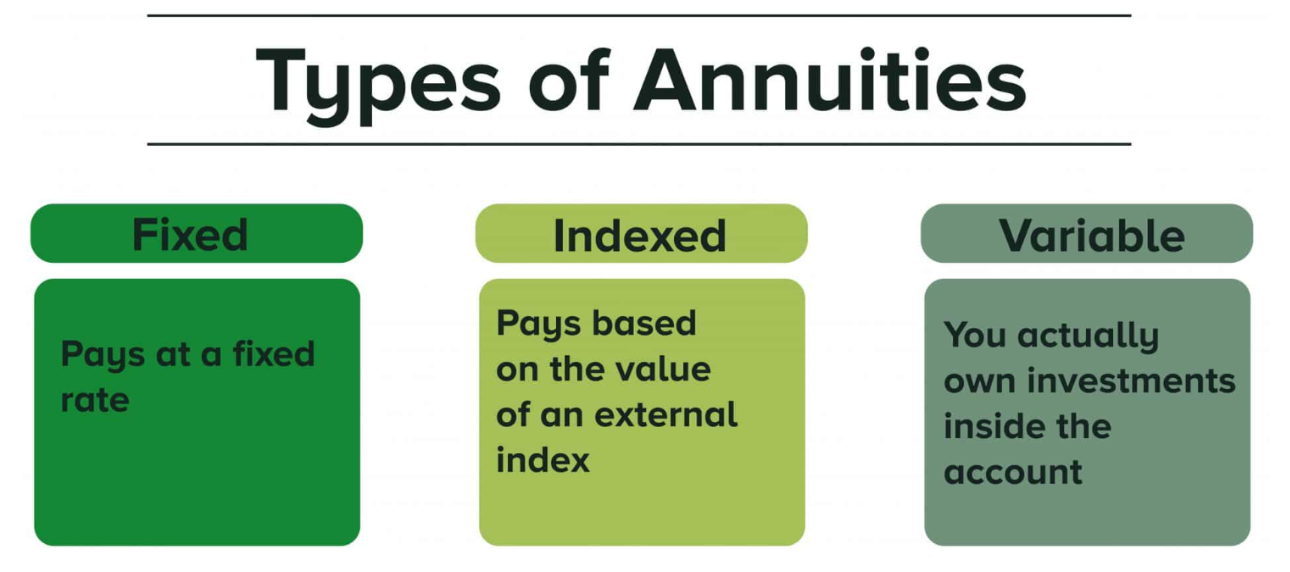
Complexity and fees. Fixed indexed and variable annuities often have caps, participation rates, riders and commissions that make them hard to compare.
Inflation. A fixed payment loses buying power over time.

Treasuries are the main alternative
No insurer in between. You are lending to the U.S. government, so there’s no insurance company’s finances to worry about and no guaranty association limit.
Liquidity. You can sell Treasuries on the market at any time, though the price may be above or below what you paid. An annuity usually charges a surrender fee for early exit.
State tax advantage. Treasury interest is exempt from state and local income tax, which helps in a state with an income tax.
Transparent. You know the yield, the dates and what you own, with no riders or caps.
Low cost. You can buy at auction through TreasuryDirect or through a brokerage with no commission at auction.
If you do buy an annuity
- Keep each insurer’s total under your state’s guaranty limit, which is commonly $250,000 for annuities.
- Favor simple, fixed products from insurers rated highly by multiple agencies.
- Understand the surrender schedule and fees before signing.
- Ask about the insurer’s ownership and reinsurance arrangements.