
There is a huge wave of interest in municipal bonds that the financial media is trying to come to terms with. It’s almost always stocks, stocks, stocks - but not anymore.
What’s going on
Record borrowing. State and local governments issued $611.8 billion in munis over the 52 weeks ending October 16, a record, according to Bloomberg data compiled by muni analyst Matt Fabian of Municipal Market Analytics.
A rough September. Muni prices sold off when interest rates began to rise.
Eye-popping tax-equivalent yields. As of September 30, a BlackRock report put the tax-equivalent yield on munis at 8.07% for investors in the highest federal tax bracket, and 10.48% for high-yield munis.
The underlying yield on the broader muni index was the highest since 2008.
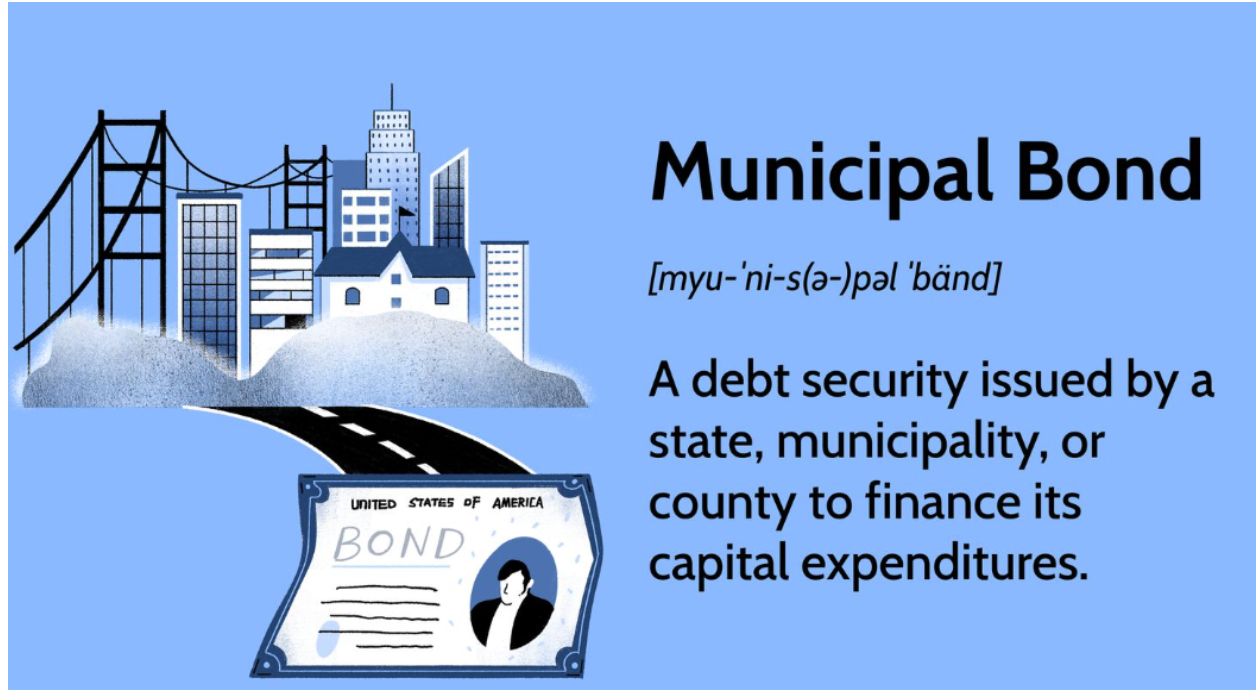
A quick refresher: the tax-equivalent yield is what a taxable bond would have to pay to match a tax-exempt muni after taxes.
Muni income is exempt from federal tax, and sometimes state tax too.
Nearly half of all outstanding munis are held directly by households or nonprofits, per Federal Reserve data.
Why governments are borrowing so much
Federal help is gone. After the pandemic, the federal government sent large sums to local governments. That money has run out, and cuts are happening.
Old infrastructure. Roads, bridges and schools have been neglected for years, and there’s a big backlog of projects.
Inflation. Fuel costs and asphalt prices have jumped sharply, and many bonds issued this year are “completion bonds” for projects already underway that cost more than planned.
Climate change. It wears down infrastructure faster and raises the cost of replacing it.
Higher rates haven’t scared borrowers away for long.
Issuance is expected to rise to as much as $1 trillion a year over the next decade.
Wall Street is pitching it
BlackRock’s head of municipal bonds called it a chance to lock in “historically attractive income,” and JPMorgan called it a “rare opportunity.”
Goldman Sachs trader Chris Hussey said on a podcast that he hadn’t heard a municipal bond pitched in a long time.
When even Wall Street is surprised, the market is telling you something has changed.
The catch
Those eye-popping yields have already eased a bit this week as Treasury yields fell from their recent highs.
They also apply to investors in the top tax bracket, so your own number will be lower.
What this means for fixed income investors
- Munis matter most in taxable accounts and higher brackets. In an IRA or a lower bracket, the tax break is wasted.
- Compare after taxes. The 10-year Treasury is near 4.95%. A muni’s tax-equivalent yield only beats that if you’re in a bracket where the exemption is worth enough.
- More supply means more choice, and more risk. Completion bonds on cost-overrun projects are a reminder to check the issuer and what backs each bond.
- High-yield munis at 10%+ tax-equivalent come with credit risk. Higher yield usually means a weaker borrower.
- Heavy issuance could keep yields elevated, which is good for new buyers and harder on prices of bonds you already own.
- Check call features and liquidity. Many munis can be redeemed early and are harder to sell than Treasuries.
- Ladder your purchases instead of trying to pick the peak.
Bottom line
Municipal bonds are offering the best yields in years because governments need money and are willing to pay for it. For the right investor, that’s a real opportunity. But the best deals depend on your tax bracket, the issuer’s strength and what you pay in a market that is moving daily.